

Short answer: yes. Cloud Softphone from Acrobits connects to any standards-compliant SIP server. No proprietary lock-in. No vendor-specific SIP flavors.
The softswitch you run today may not be the one you run in three years. A platform-independent softphone lets you change infrastructure without turning it into a forced app migration.
The hidden cost of a platform-locked softphone
Most white-label softphone vendors build their app around a single platform, usually their own hosted PBX. The cost stays hidden until the day you outgrow that backend: switch infrastructure and you're forced to replace the app too. Your subscribers download a new one, re-register, and you start the adoption cycle from zero.
A platform-agnostic softphone separates the app from the switch. You can change your SIP backend without redeploying the app, resubmitting to app stores, or disrupting your users.
What "works with any SIP switch" actually means
The claim is only as good as its definition, so here it is: if your softswitch handles standard SIP registration (RFC 3261), Cloud Softphone will work with it. The app sends a SIP REGISTER, authenticates, and handles calls over SIP INVITE, the same signaling flow every compliant server expects.
This isn't theoretical. Operators run Cloud Softphone against carrier-grade switches, enterprise PBXs, and open-source stacks alike:
| Softswitch | Type |
|---|---|
| BroadSoft (now Cisco BroadWorks) | Carrier-grade |
| Metaswitch | Carrier-grade |
| Cisco Unified CM | Enterprise |
| Mitel | Enterprise |
| NetSapiens | Service provider |
| Sangoma | SMB / Service provider |
| 3CX | SMB / Service provider |
| Asterisk | Open source |
| FreePBX | Open source |
| FreeSWITCH | Open source |
This isn't an exhaustive list. If your platform speaks SIP, Cloud Softphone registers with it.
Push notifications work independently of your switch
One worry usually follows: if the switch is swappable, do incoming calls still ring reliably? They do. Push delivery is handled by SIPIS, Acrobits' proprietary push infrastructure (operational since 2009), which maintains a persistent SIP instance server so calls ring on subscribers' devices regardless of which softswitch you run. Switch-agnosticism applies at both the SIP layer and the push layer.
Proprietary extensions: BLF, shared lines, and visual voicemail
Standard SIP covers the basics, but real deployments lean on more. Some switches use non-standard SIP headers or proprietary audio for features like BLF (busy lamp field), shared call appearance, or visual voicemail. Cloud Softphone supports many of these extensions natively, particularly for BroadSoft and Metaswitch, which are common in the service provider market.
For less common switches, Acrobits can add support for proprietary headers through configuration or custom development. The app's SIP stack is flexible enough to handle custom header injection and parsing without a full rebuild.
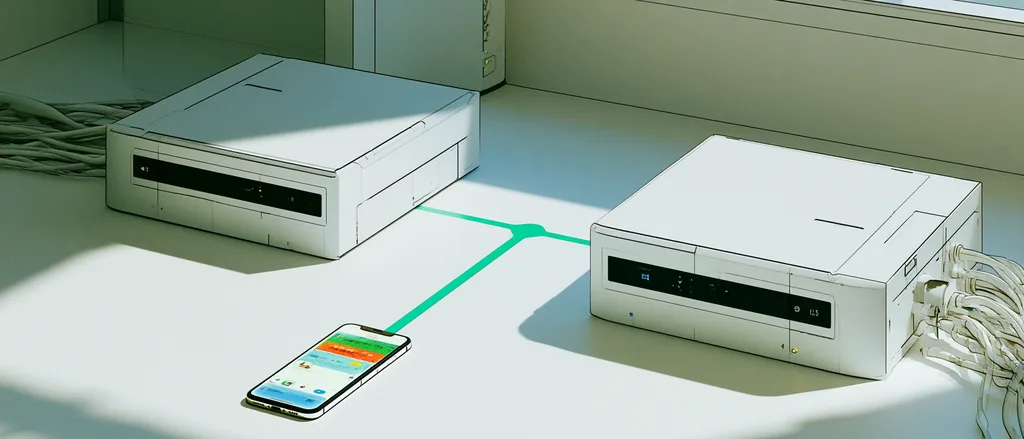
Switch softswitches without re-deploying the app
This is where the platform-agnostic design pays off. Because Cloud Softphone is configured through server-side provisioning rather than hard-coded to a specific switch, changing your backend is a provisioning update, not an app update.
Your subscribers keep the same app. Their SIP registration points to the new server. No app store submission required, no re-download, no lost users.
Codec and video support across any backend
That same standards-first approach carries through to media. Cloud Softphone handles G.711, G.729, and Opus audio, plus H.264 and VP8 video. Codec negotiation follows standard SDP offer/answer, so the app adapts to what your switch supports.
Across SIP signaling, push delivery, and media, Cloud Softphone adapts to your backend instead of dictating it. You can migrate platforms on your own timeline, without rebuilding the app, resubmitting to app stores, or making subscribers re-register.
Build a white label softphone app
Create a custom white-label softphone with Cloud Softphone.
- No devs needed
- Native desktop apps
- 100+ premium features