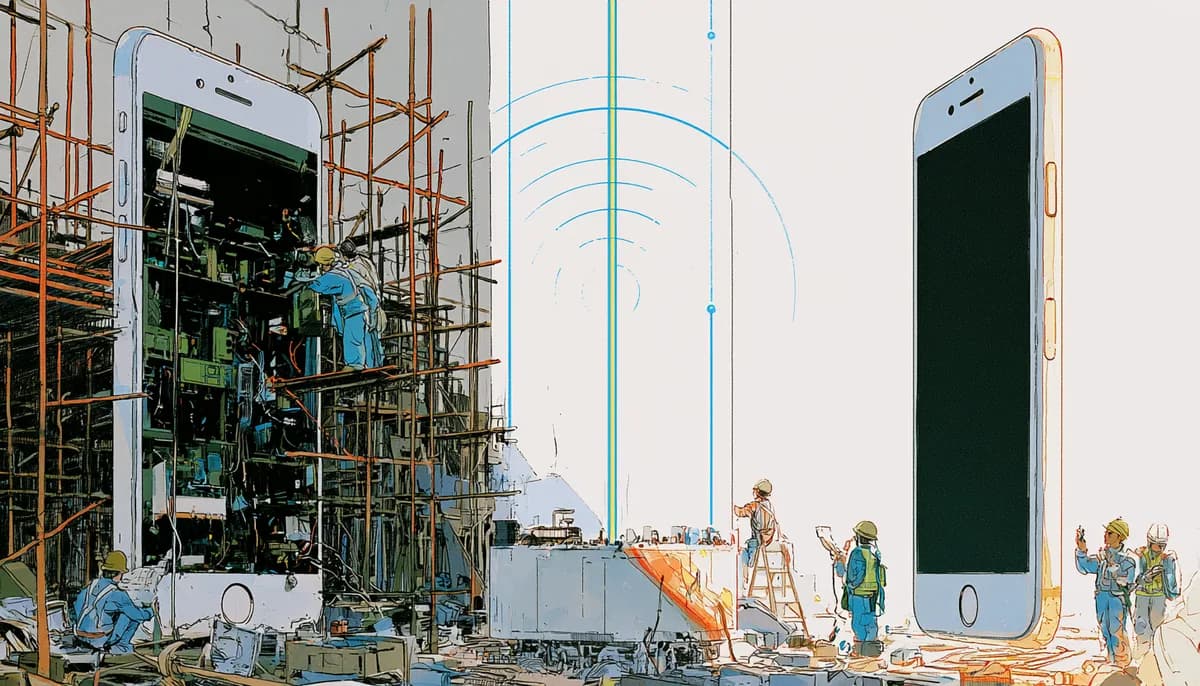

Cloud Softphone has many features, most of them configurable. That sounds like a good opening for a demo. It is actually the problem.
A demo built to show everything is a demo aimed at nobody. The operator watching it has one specific thing they are trying to do. It is somewhere in the middle of minute forty, buried under nine features that have nothing to do with their business.
So we do not start there. We start by asking what you are trying to achieve. The answer decides most of what follows, including whether a white label or a generic softphone is the right fit.
The first call is questions, not slides
The discovery call runs anywhere from thirty minutes to an hour and a half, and the spread tells you something. Thirty minutes usually means the operator arrived knowing exactly what they need: they are replacing UC-One, or they have a BroadWorks deployment and want their own brand on the client, or their current app vendor has gone quiet. Ninety minutes usually means they are still working out what the project is, which is a fine place to be and takes longer to map.
What we want to understand before showing anything: what your business actually sells, who your subscribers are, what you are running on the backend, what is forcing this decision now, and what "done" looks like to whoever signed off on the budget.
Then the demo gets built around that. If you are an ISP bundling voice with broadband, you do not need forty minutes on video conferencing or group messaging.
This is partly self-interest, to be clear. A tailored demo is shorter, and a shorter demo that answers the real question moves faster than a long one that shows everything. Sitting through a feature tour is nobody's idea of a good afternoon, ours included.
White label or generic softphone: the decision that shapes the project
Most of the first conversation eventually lands on one fork.
Generic Cloud Softphone means your subscribers download an app called Cloud Softphone from the App Store or Google Play. It carries our name on the listing. Once they enter their credentials and provisioning completes, your branding appears inside the app: your colours, your logo, your features. The app icon stays the same.
White label means the app carries your name on the listing. Your company appears as the developer. Subscribers search your brand and find your app, and our developers ship updates and support underneath it.
Everyone assumes this is a branding decision. It is really a marketing and scheduling decision.

Generic goes live almost immediately, because the app is already published and sitting in both stores. There is nothing to submit and nothing to wait for.
White label has to go through Apple and Google like any other app, and their review takes as long as it takes. We review your build for compliance before submission, which catches the predictable problems. Neither we nor anyone else can promise you a date from Apple. Our app publishing team will still do their best to get your app live as soon as possible.
So the real question is not how much branding you want. It is whether you want your name and app icon on it or you want it live next week. Both are defensible answers, and they suit different situations.
Two things take pressure off that choice. You can move between bundles later, including starting generic and upgrading to a white label softphone once the project has proven itself internally. And a white-label owner can resell generic-bundle apps to their own customers under separate branding, which is a model worth knowing about early if you sell through partners.
What we tell people that most vendors leave until later
White label pricing tracks the bundle you choose and the features you turn on, so the shape of your app sets your number. Our Cloud Softphone pricing page carries the current plans.
The other thing said early: Cloud Softphone runs on any standards-compliant SIP backend, and that genuinely covers the call. Everything past the call is different. Directory, presence, visual voicemail, server-synced call history, and in-app feature control all live in supplementary services layers that each platform implements its own way.
We integrate natively with BroadWorks through XSI, with Metaswitch through SIP events and provisioning APIs, and with NetSapiens through their SNAPsolution REST API. If you are running something else, the calls work and some of those richer features may not. That is a conversation to have on day one rather than in week six. Even then, custom web tabs add so much flexibility that almost anything feels achievable.
The thing that stalls first calls
Deals rarely stall on price at this stage. They stall because nobody in the room can say what the existing platform supports.
It happens more than you would expect. The question comes up, everyone looks at each other, and it turns out the person who configured the switch left eighteen months ago. Then the project goes quiet for three weeks while someone finds out, and the momentum from the first call is gone.
You can defuse it in advance with about ten minutes of preparation. Know what your switch is and what version. Know whether you have XSI or an equivalent services API exposed, and whether anyone can reach it. Know whether your SBC will accept registrations from a new client without a change request. Know who has to approve spending and whether they have heard of this project yet.
None of that requires a decision. It only requires knowing the answers, and having them turns a discovery call into a scoping call.
What to ask us
If you take one thing from this: when a vendor opens with their feature list, they are telling you they have not asked what you need yet.
So ask what they want to know about your business before they show you anything. Ask what their software will not do on your specific backend. Ask what happens to your timeline if you want your own name in the store.
We would rather answer all three in the first thirty minutes than in month four. Testing the choice comes next, and chapter two covers how to run a softphone trial that proves something.
Build a white label softphone app
Create a custom white-label softphone with Cloud Softphone.
- No devs needed
- Native desktop apps
- 100+ premium features